SOS Summer: How to save a refrigeration system from thermal stress
Summer is here and, with it, the worst nightmare for any refrigeration system: thermal stress. When the outdoor thermometer approaches 40 °C, equipment works at the limit of its capacity and, as a result, high-pressure alarms start sounding relentlessly.
For you, who are out in the field suffering the heat and handling emergency call-outs, we have prepared this quick guide with the 4 critical checks that will save your customers’ equipment and, at the same time, spare you more than one return visit.
The condenser: The lung that needs to breathe
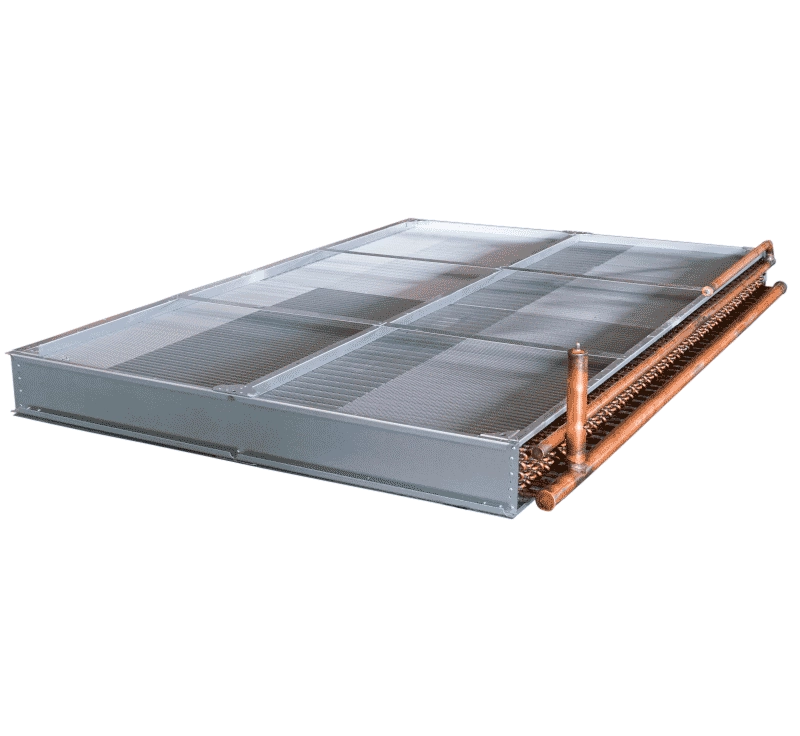
First of all, check the condenser. In winter, a slightly dirty condenser may “get by”. However, in summer, it is a death sentence for the compressor. With high ambient temperatures, heat exchange capacity drops drastically.
Cleaning is non-negotiable: Therefore, do not just blow off the dust. If there is grease or embedded dirt on the fins, use a pressure washer, taking care not to bend the fins, and apply suitable chemical cleaners.
Watch out for “heat walls”: Check that there are no obstacles blocking the hot air outlet and avoid the recirculation effect, where the condenser draws in the hot air it has just discharged.
Subcooling and refrigerant charge
Next, check subcooling and refrigerant charge. Under thermal stress, when performance is lacking, the quick temptation is to add refrigerant. However, be careful! Overcharging the system in summer is a ticking time bomb for high-side pressure.
- Adjust the charge accurately: Low subcooling usually indicates a lack of refrigerant; excessively high subcooling with sky-high pressures indicates non-condensables or overcharging. Keep the subcooling level between 3 K and 5 K to maintain the exact amount of liquid in the circuit, and check that there are no bubbles in the sight glass.
- Look for bubbles: Also, check the liquid sight glass. If you see continuous bubbles, the refrigerant is reaching the expansion valve partially in gaseous state, or there is a lack of refrigerant. As a result, cooling capacity is drastically reduced.
Superheat and compressor health
Then, pay attention to superheat and compressor health. Outdoor heat causes the refrigerant to return to the compressor hotter than usual. If suction superheat is too high, the compressor discharge temperature will soar, thereby degrading the oil and causing mechanical seizure.
Golden rule: Keep evaporator superheat between 5 K and 7 K. In addition, make sure that the discharge temperature at the compressor cylinder head never exceeds 120 °C.
Electrical panel: The great forgotten element in summer
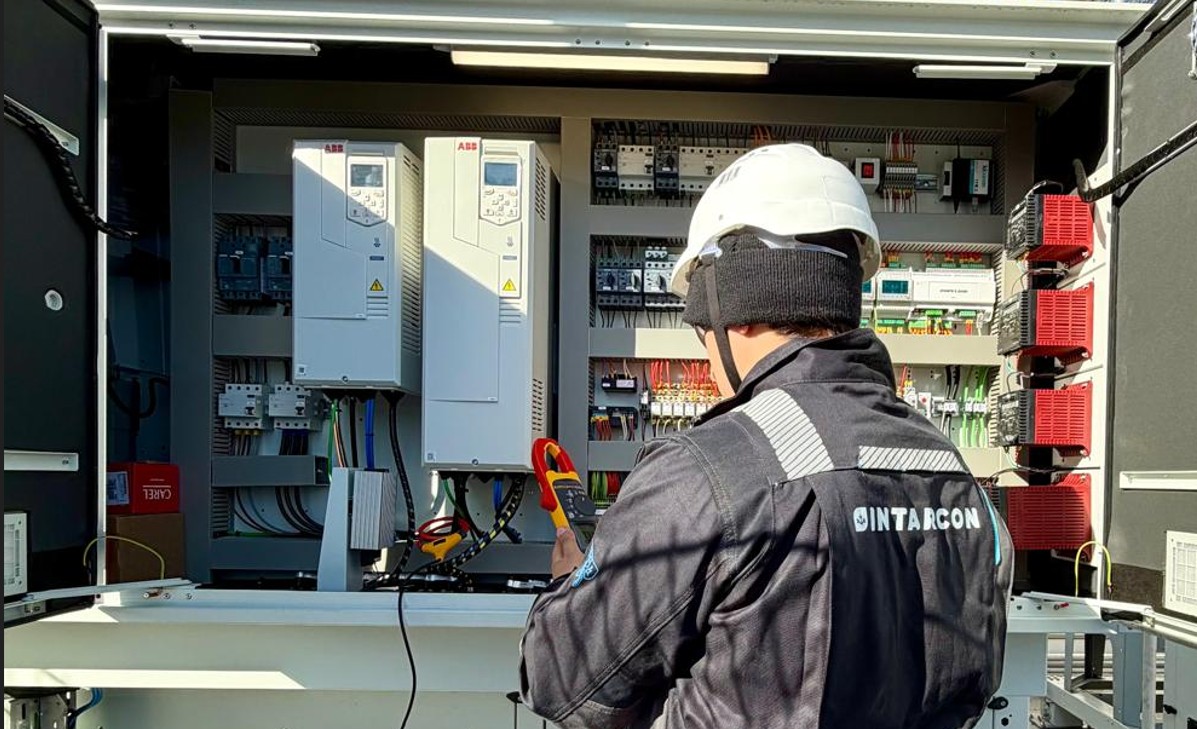
Finally, do not forget the electrical panel. Thermal stress does not only affect pipes and gas; electrical components also suffer greatly from the high temperatures in plant rooms or on rooftops.
Terminal tightening: Summer heat expands metals. Consequently, a loose terminal will create resistance, causing voltage drops and, in the worst case, a burnt-out component.
Actual vs. nominal current draw: Therefore, take out your clamp meter. With the system operating at full capacity, check that the current draw of the compressor and fans is not close to the thermal overload limit. If the ambient temperature is 40 °C, the thermal protector will trip earlier than usual simply due to the accumulated temperature inside the panel.
Quick emergency checklist to reduce thermal stress:
If you receive a call for a “not cooling enough” fault or “tripping on high pressure”, check the following in order:
| Symptom | Probable cause | Immediate action |
| High-side pressure extremely high | Dirty condenser or non-condensable air. | Clean coil / Remove air from the circuit. |
| Compressor very hot / Thermal overload trips | High superheat or lack of oil. | Adjust expansion valve / Check oil return. |
| Very low low-side pressure / Frost | Dirty evaporator or fan stopped. | Check airflow in the evaporator. |
| Bubbles in the liquid sight glass | Lack of refrigerant or previous pressure drop. | Look for leaks before recharging. |
CONCLUSION
In short, thermal stress tests both the quality of the installation and the skill of the technician. Therefore, spending an extra 15 minutes cleaning a condenser or correctly adjusting an expansion valve today will save you an emergency call at 4 in the afternoon on a Sunday in August.
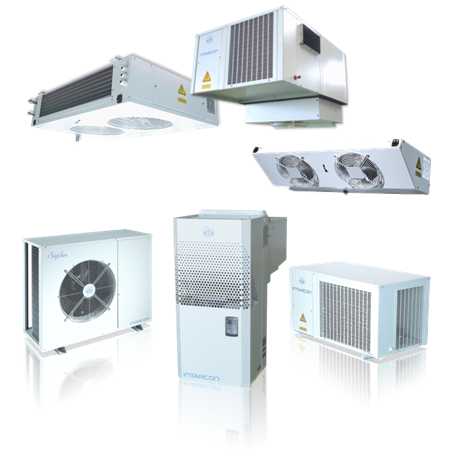
At INTARCON, we fight the heat with you! If you need replacement equipment or a new unit immediately, remember that we have a wide range of equipment in stock and optimised lead times so that no installation suffers due to high temperatures.